XR industry
Meta VR Glasses: the first VR product where VR is optional
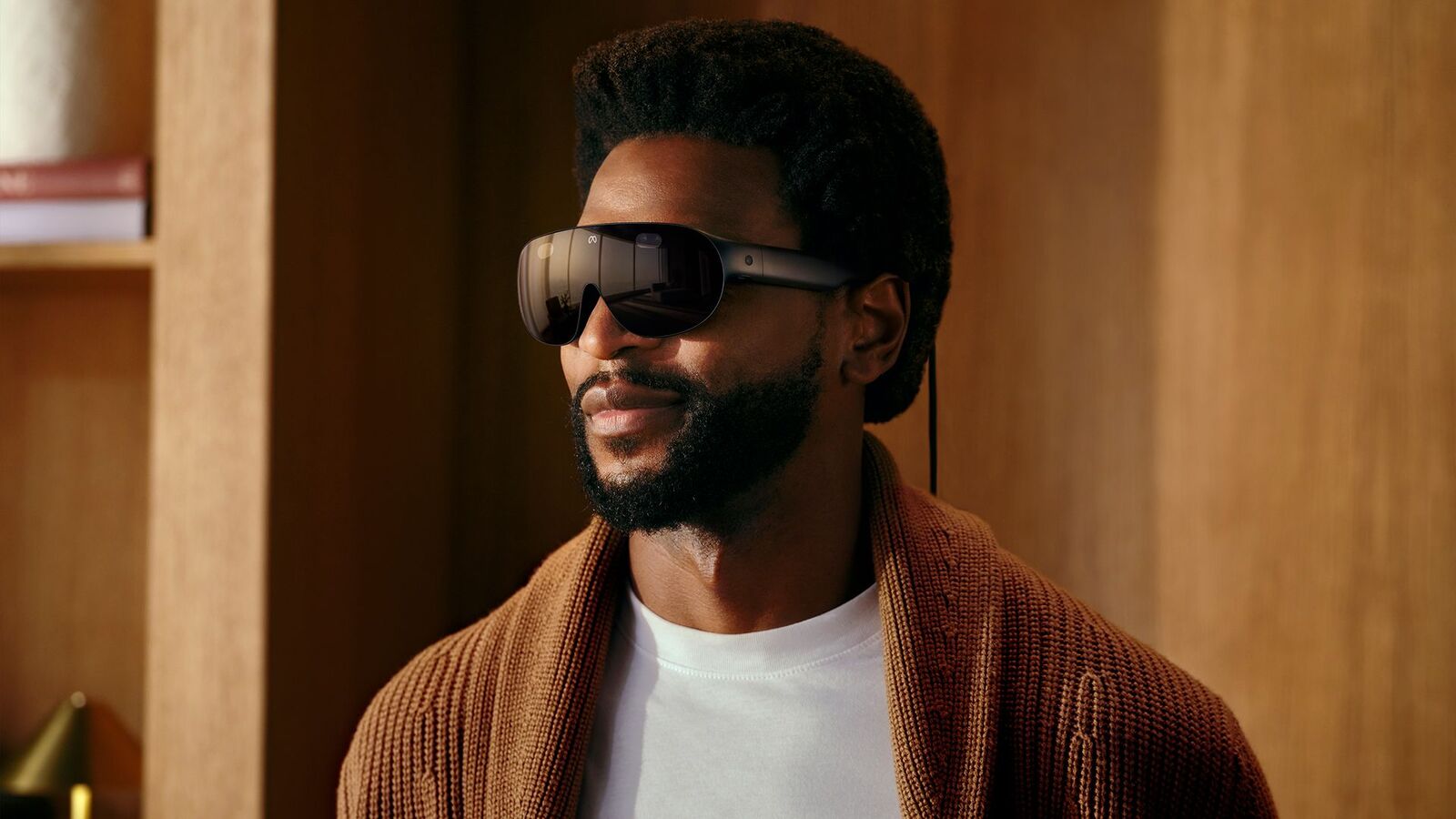
What most people don’t say about Meta VR Glasses is that it is the first VR product where VR... is optional 👀
And that’s the most important thing about them.
For years, VR products were built around one idea: immersion. You put on the headset to leave the real world.
Meta’s new device might change that. VR is still there, but it’s no longer the whole reason to buy the product. The real proposition is broader: screens, work, reading, gaming, AI, communication, etc. with full VR available when you want it.
Two categories are converging
It also shows again that two categories are converging.
VR headsets are becoming lighter and more like glasses. AI glasses are getting displays, spatial interfaces and richer computing.
At $1,299, Meta doesn’t need this to be a cheap VR headset. It needs it to be a useful computing device people actually want to wear.
If the ~100g form factor works as promised, Meta already has most of the other pieces: Quest content, developers, AI, distribution and years of experience with smart glasses.
All-day wear changes the winning use cases
And once people wear a device all day, the winning use cases change. It’s no longer about 30-minute immersive sessions. It’s about what people do every day, for hours, and reading 📖 is one of the most obvious.
That’s the bet behind Readality, a spatial reading platform built for Meta Quest: books and comics living around you, with full immersion as one option among many. Lighter glasses take that from the couch to the subway, and everywhere in between.
Maybe the future of the VR market isn’t better VR. Maybe it’s XR glasses where VR is just one mode among many. 🕶️
More from the blog
-

EssilorLuxottica x Lynx: why an eyewear giant bought a VR startup
EssilorLuxottica (Ray-Ban, Oakley) acquired French VR maker Lynx. What it says about who will own XR hardware, and why cross-device apps like reading win.
Read the article → -
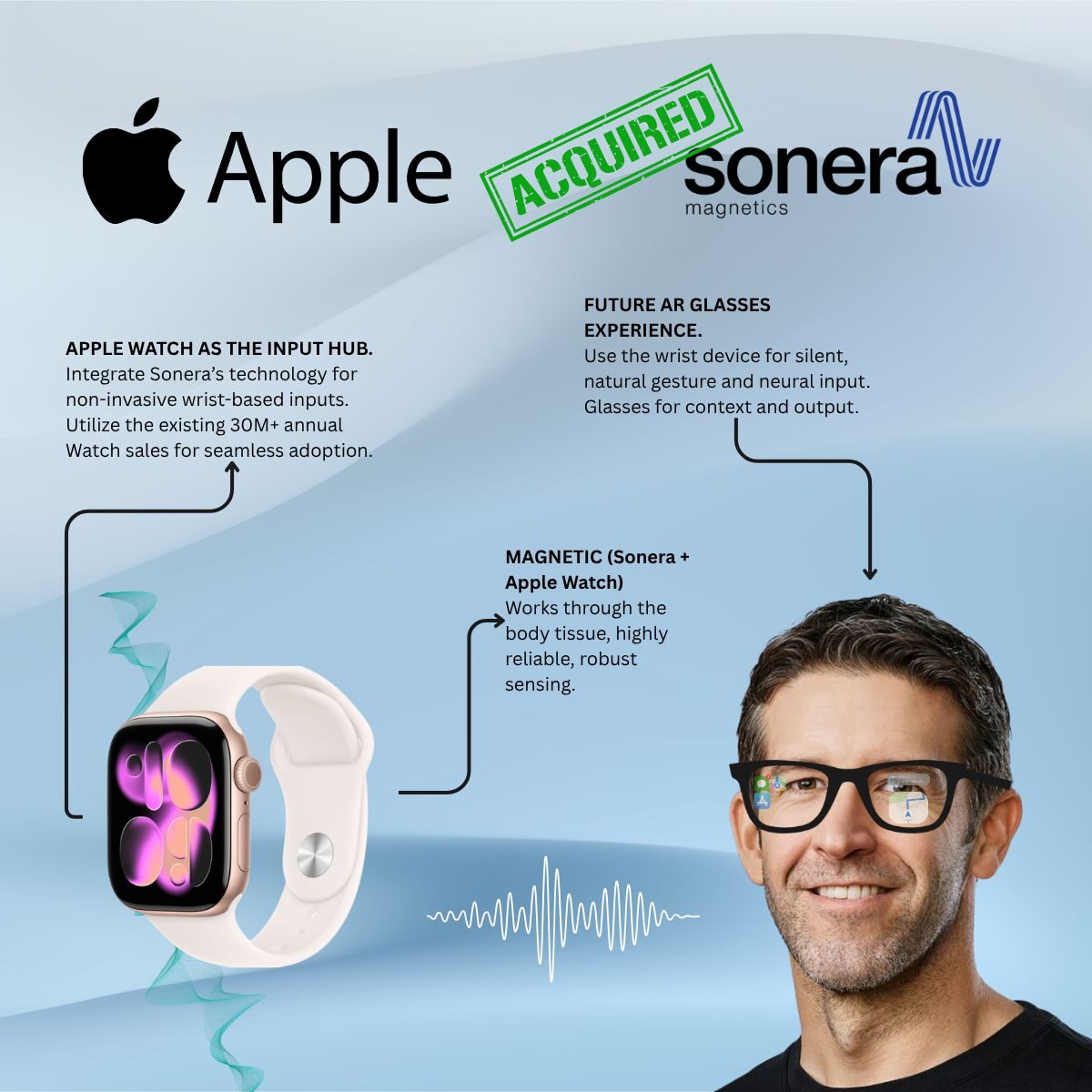
Apple just acquired Sonera: how it plans to beat Meta in the AR glasses war
Apple bought magnetic-sensor company Sonera. Here is why silent wrist input, not displays, will decide the AR glasses war, and what it means for reading.
Read the article → -

Even Realities hit a $1B valuation with smart glasses that have no camera
Even Realities reached a $1B valuation with camera-free smart glasses. What you gain and lose without a camera, and why reading never needed one.
Read the article →