XR industry
EssilorLuxottica x Lynx: why an eyewear giant bought a VR startup
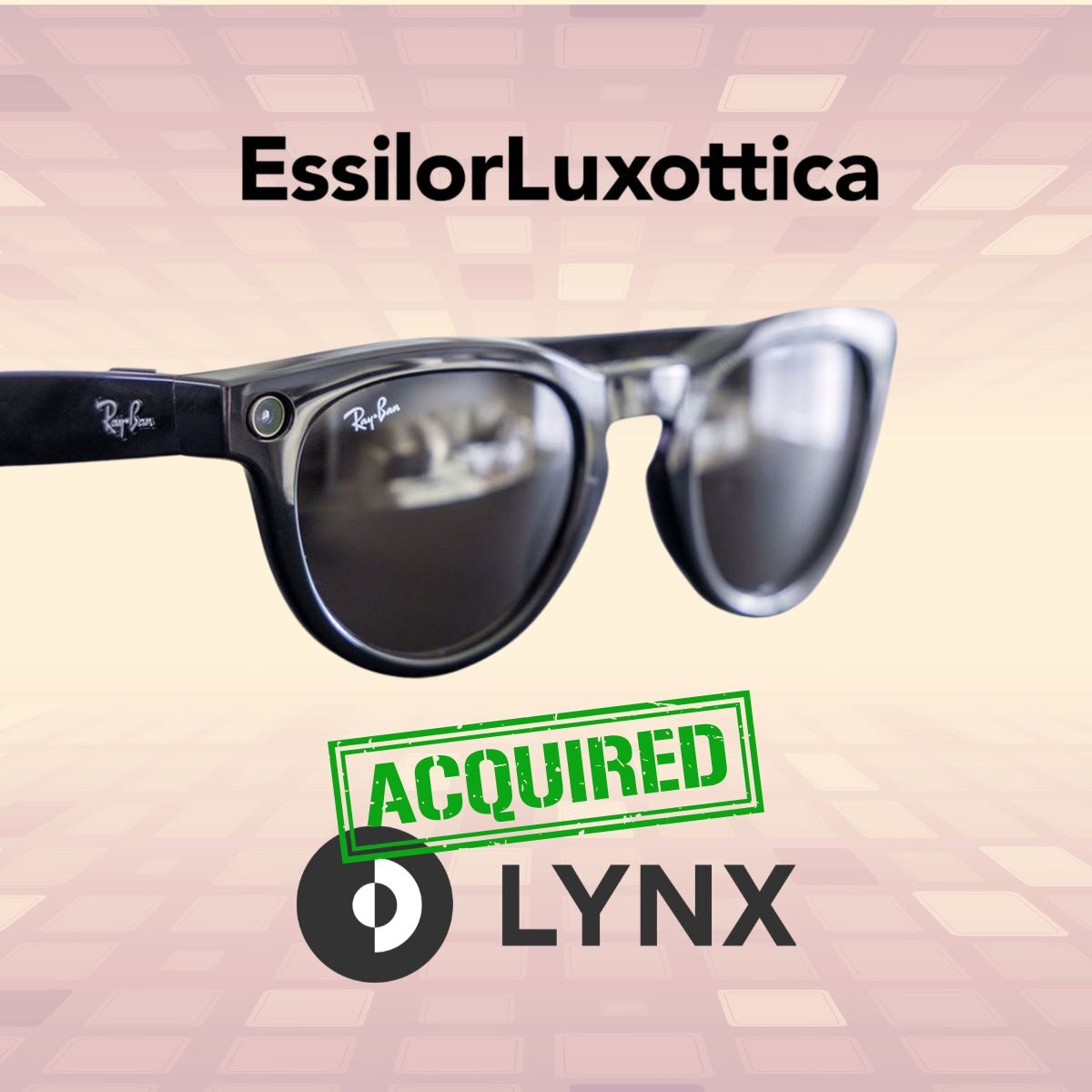
Just realized we missed one of the biggest XR moves of the summer: EssilorLuxottica (Ray-Ban, Oakley) acquired Lynx, a French VR hardware company. 🕶️
Why would a traditional eyewear giant acquire a struggling VR startup?
EssilorLuxottica initially needed Meta because it wasn’t a tech company. And after 7M+ smart glasses sold in 2025, maybe that success also showed them how strategic this category could become.
Since summer 2025, they’ve built:
- a Smart Eyewear Lab with 100+ AI/XR researchers
- an AR optics partnership with Applied Materials
- Lynx’s XR IP, team and know-how
XR might not be vertically integrated after all
And this is what I find interesting: everyone assumed XR would be vertically integrated, with Meta, Google and Apple owning the hardware, OS, AI and ecosystem.
Things might be different, though. Eyewear companies could increasingly own the hardware, while Big Tech provides the OS, AI and ecosystem underneath.
If that happens, the market looks a lot more like smartphones: many devices, a few platforms, and huge value in the experiences that run on all of them. 📱➡️🕶️
Where reading fits in
That’s where companies like Readality get interesting. People won’t pick their glasses for one app, but they’ll expect their everyday habits to follow them, and reading is one of the biggest. A spatial reading platform that works on whatever frames end up on people’s faces, Ray-Ban, Oakley or otherwise, is positioned to benefit from that fragmentation. 📖
More from the blog
-
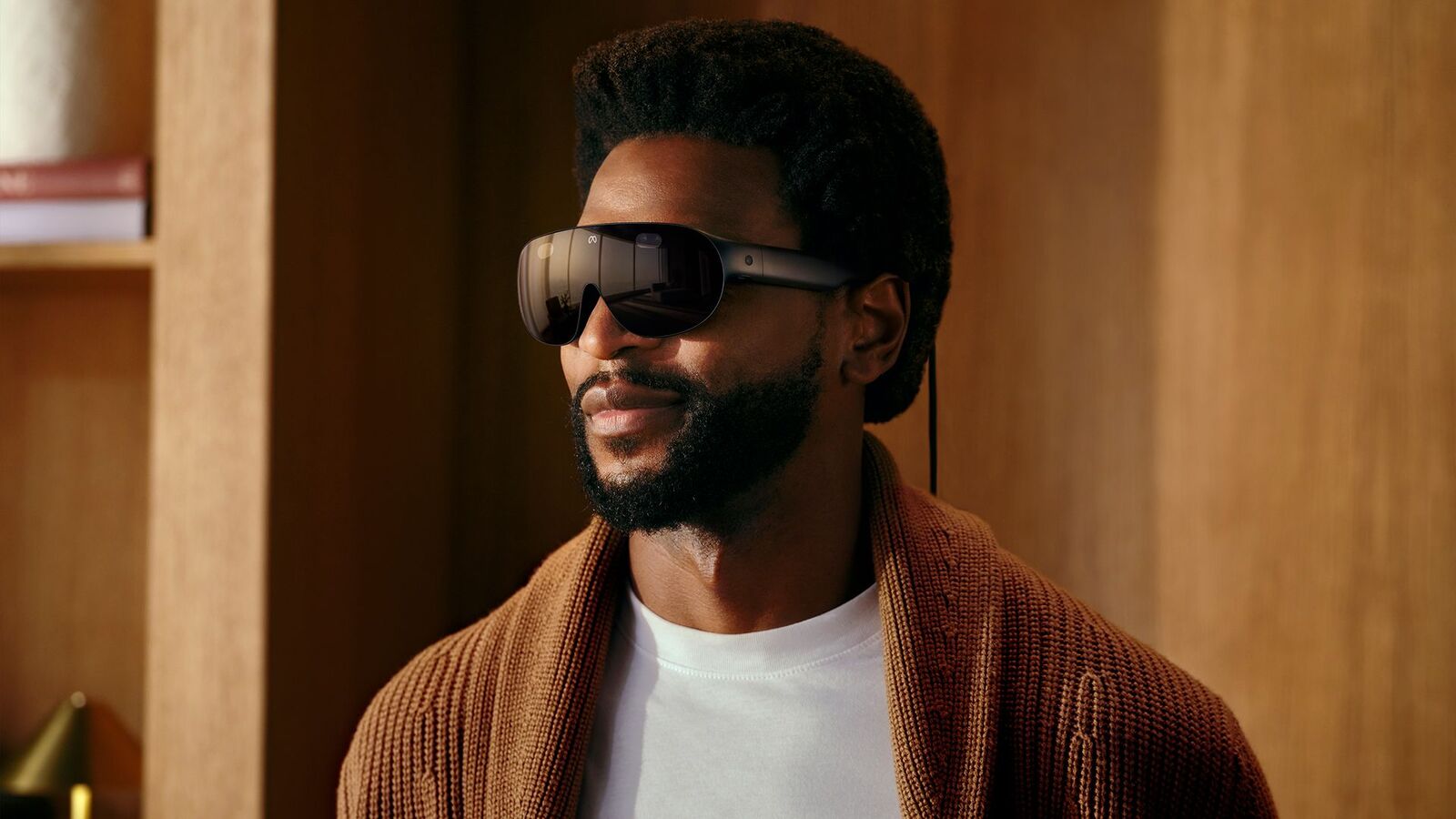
Meta VR Glasses: the first VR product where VR is optional
Meta’s VR Glasses make immersion one mode among many. Why headsets and AI glasses are converging, and why all-day wear makes reading a key use case.
Read the article → -
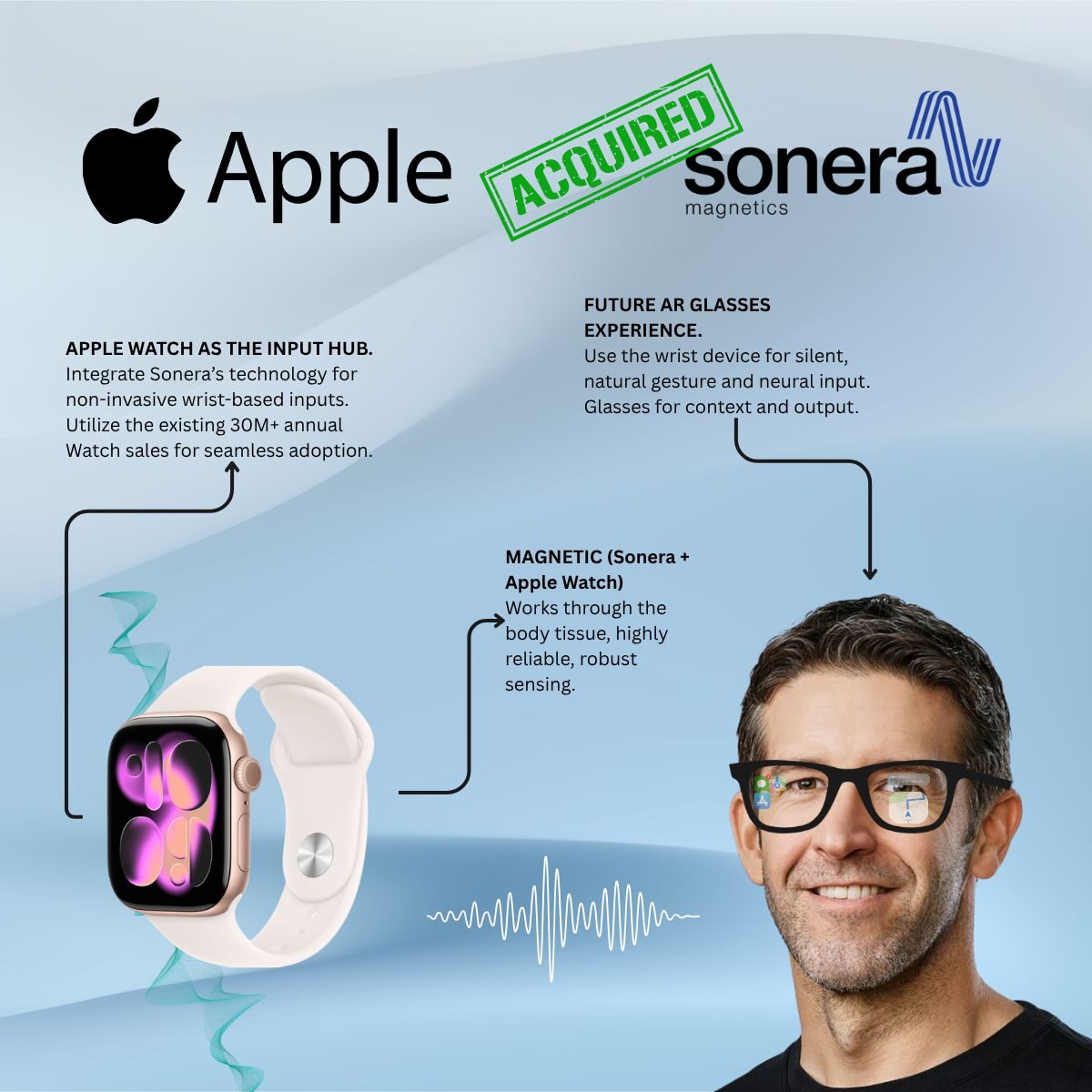
Apple just acquired Sonera: how it plans to beat Meta in the AR glasses war
Apple bought magnetic-sensor company Sonera. Here is why silent wrist input, not displays, will decide the AR glasses war, and what it means for reading.
Read the article → -

Even Realities hit a $1B valuation with smart glasses that have no camera
Even Realities reached a $1B valuation with camera-free smart glasses. What you gain and lose without a camera, and why reading never needed one.
Read the article →